

I’ve cracked enough Universes Beyond releases by now to know the pattern by heart: preorder hype pushes prices way past MSRP, then the market corrects itself hard within two or three weeks of release. The Magic: The Gathering Hobbit Collector Booster Box followed that exact script, and after digging through Wizards’ own numbers, community pull reports and my own math as someone who has opened more than a few of these boxes, I think this one earns its price tag more than most recent Collector Boxes have. Whether you should crack it open or leave it sealed on a shelf, though, depends entirely on what kind of collector you are, and that’s what I want to walk through here.
Hobbit Collector Booster Box: quick facts
| Format | Collector Booster Box, 12 sealed packs |
|---|---|
| Cards per pack | 15 |
| Box topper | 1 traditional foil Middle-earth classic artist card |
| Set codes | HOB (Standard-legal) / HOC (Eternal-legal) |
| Release date | August 14, 2026 |
| MSRP per Collector Booster | $37.99 |
| Language | Multiple; the Gleaming Gold Smaug headliner is always printed in English |
Jump to:
- What’s actually inside the box
- How it holds up against other Universes Beyond boxes
- Is it worth opening or keeping sealed
Quick verdict: if you’re chasing the Gleaming Gold Smaug the Magnificent headliner or want guaranteed foils from a beloved set, buying the sealed Collector Booster Box beats gambling on single packs at retail. If you only want two or three specific cards, singles on the secondary market will almost always save you money.
Pros
- Every pack guarantees at least one traditional foil rare or mythic card
- The Box Topper adds a guaranteed foil Middle-earth classic artist reprint
- The roughly 500-copy Gleaming Gold Smaug headliner has real chase appeal
- Reprints from The Lord of the Rings: Tales of Middle-earth give it crossover value
Cons
- Preorder and early street prices ran well above the $455.88 combined MSRP of 12 boosters
- A small main set means singles get diluted fast once the initial rush settles
- Booster Fun collation can leave you with repeated treatments in the same box
What’s actually inside the Magic: The Gathering Hobbit Collector Booster Box
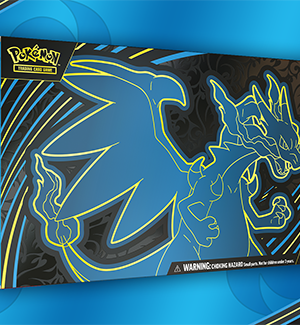
Wizards confirmed the contents plainly: each Hobbit Collector Booster Box holds 12 Collector Boosters plus a single Box Topper, and every Collector Booster carries 15 cards built around five traditional foil commons, four foil uncommons, a foil basic land, two foil rare or mythic cards from the main set, and two additional Booster Fun slots pulled from a much deeper pool. That pool is where things get interesting for a set smaller than a typical Standard release, since it mixes scene cards, Dragon hoard frames, book covers, Dwarvish language cards and the borderless Middle-earth classic artist reprints from 2023’s Tales of Middle-earth. If you’ve spent any time browsing Pokémon chase boxes like the Mega Charizard X ex Ultra-Premium Collection, the logic will feel familiar: more slots dedicated to rarity means fewer duds per pack, at least on paper.
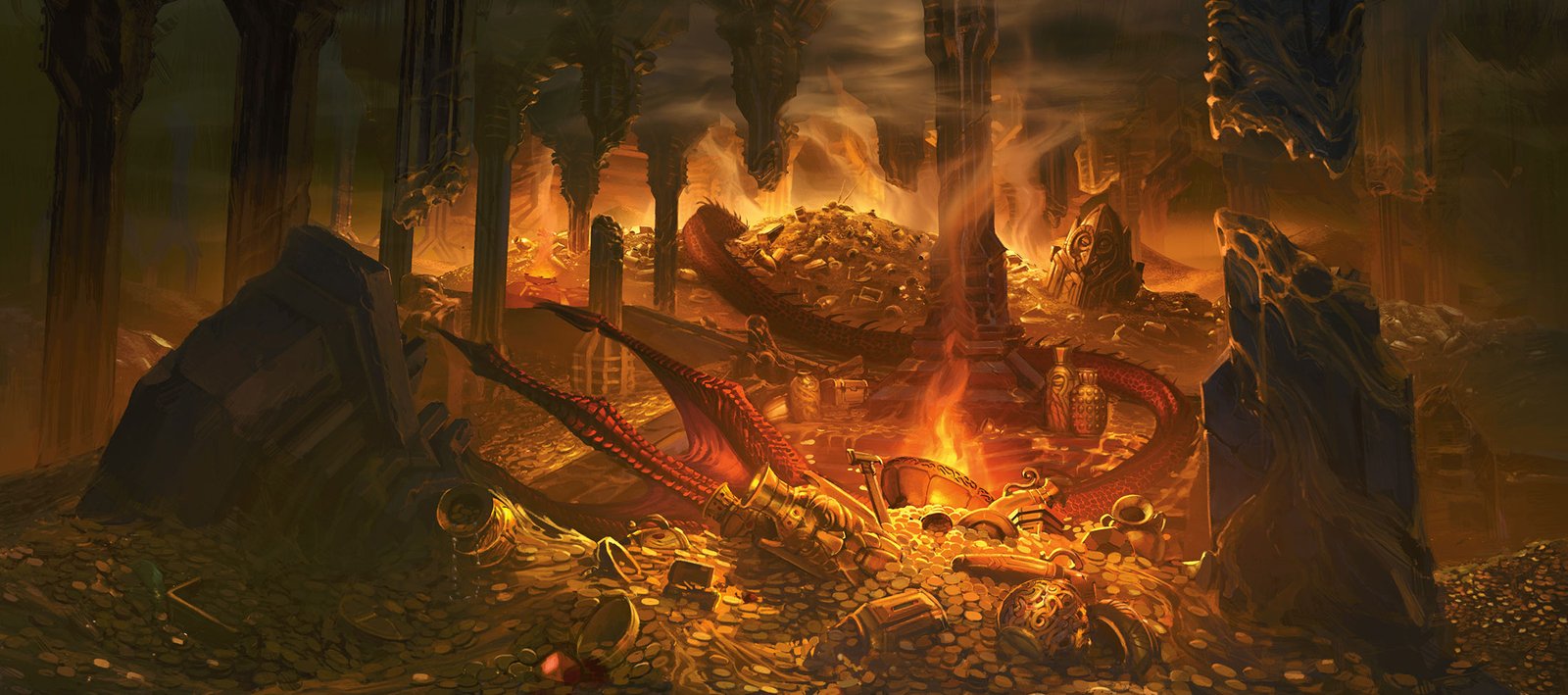
What sets the Hobbit box apart from a lot of recent Collector product is how top-heavy the chase actually is. There will be roughly 500 copies total of the gold-foil Smaug the Magnificent headliner printed across every language of Collector Booster, and it only ever appears in English regardless of which regional box it comes from. That’s a tighter print run than most recent headliners we’ve tracked, and it explains a fair chunk of why boxes held above $650 for weeks after the August 14 release instead of sliding back toward MSRP right away.
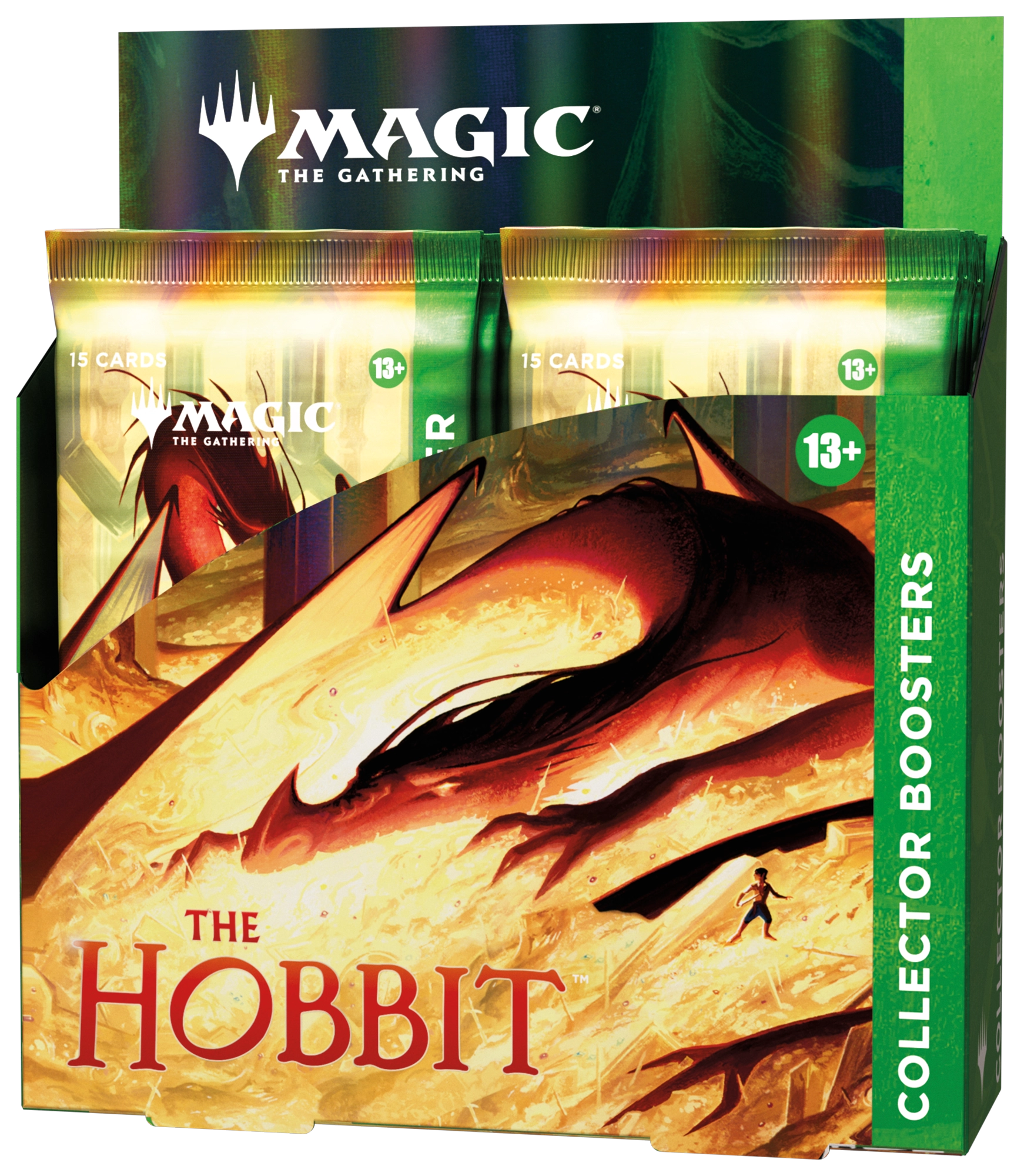
How the pack breakdown compares to Play Boosters
Play Boosters are the cheaper, more accessible way into this set, and Wizards prices them at $6.99 each with 14 cards instead of 15. The math still favors Collector product if you specifically want foils, since a Play Booster only guarantees a single traditional foil card of any rarity, while every Collector Booster guarantees five. That gap in guaranteed foil density is the entire reason Collector boxes carry a premium in the first place. I bought both this cycle, and the Play Booster box felt like drafting material while the Collector box felt like a small vault of things worth keeping in sleeves.
Where it gets murkier is value concentration. A Play Booster box spreads 30 packs of chances across a wider pool, so your odds of hitting an extended-art rare or a scene card add up over the course of a box even without foil premiums. Readers comparing this set against our breakdown of the Prismatic Evolutions Super-Premium Collection will notice the same tension between raw pack count and guaranteed hits that shows up across trading card lines generally, not just Magic.
How the Hobbit box holds up against other Universes Beyond releases
Reddit comparisons keep circling back to the same reference point: The Lord of the Rings: Tales of Middle-earth Collector Booster from 2023, generally remembered as having stronger individual card value despite a similar box structure. One frequent commenter summed it up plainly, arguing that the art and overall value were simply better in the original LOTR Collector box, and that sentiment shows up again and again once you start reading through pull threads. I don’t think that take is entirely fair to the Hobbit set, which leans harder into playable mythics, but it’s worth knowing before you compare price tags side by side.
Compared with the Draft Night box, which bundles a single Collector Booster inside a bigger multiplayer product built around 12 Play Boosters, the standalone Collector Booster Box is clearly the better route if foils and chase cards are your only goal. Fans who also collect gaming hardware alongside cards might recognize the same premium-versus-standard tension from our look at the Halo: Campaign Evolved Collector’s Edition, where paying more up front buys guaranteed extras instead of a chance at them.
Seal, box condition, and collation checks before you buy
Because these boxes now regularly resell for hundreds of dollars over MSRP, seal quality matters more than it used to. Genuine Wizards-sealed Collector Booster Boxes use a wrap that runs cleanly around all six sides with the manufacturing code printed on the bottom flap, and the individual Collector Boosters inside carry foil-stamped packaging with the HOB set symbol visible through the wrapper. Any box with a loose or double-taped wrap, or packs that feel noticeably lighter than the rest, deserves a second look before you pay collector-level prices for it.
Collation is the other detail nobody mentions until it bites them. Complaints across pull-tracking threads point to occasional repeated book cover cards within the same box, which lines up with how Wizards randomizes Booster Fun slots independently rather than guaranteeing a fixed spread. It’s not a defect, just a reminder that collation odds are probabilities, not promises, no matter how the box art makes it look.
Is the Hobbit Collector Booster Box worth opening or keeping sealed
I went looking for a real expected-value breakdown instead of trusting hype, and a detailed EV thread on r/mtgfinance pegged the average per-box value at roughly $702 based on sold prices shortly after release, using historical patterns from other recent Collector boxes as a comparison baseline. That number sits meaningfully below the $650 to $900 range boxes were actually selling for in the first two weeks, which tells me most of that early premium was hype rather than math, a pattern this community has seen with nearly every big Universes Beyond drop.
The same discussion also flagged something legitimately different about this set: nearly every card with a high play rate in Commander and constructed formats got its own foil, high-end treatment, unlike some earlier Collector boxes that skipped bling versions of popular staples entirely. If you play as much as you collect, that alignment between playability and chase value is the strongest argument for opening product instead of just admiring it sealed.
What collectors on Reddit are actually saying two weeks in
Sentiment split pretty cleanly along two lines once real inventory hit stores. One camp, visible in a separate pricing discussion thread, argued that box prices made little sense once you accounted for how quickly singles crash in the weeks after a full-scale release. The other camp pointed out that a small set with this much play relevance rarely stays cheap for long, and that early buyers were simply paying for certainty.
My own read, after watching similar cycles play out with sets like the Death Stranding 2: On the Beach Collector’s Edition in gaming or limited watch drops like the Seiko Prospex HBC011 in horology, is that hype-driven collectibles almost always soften within a month. If you’re buying purely to open and enjoy the set, waiting two to four weeks after release has consistently been the better financial decision across every category we track.
Our Take
As someone who buys these boxes to actually crack rather than flip, I came away from the Hobbit Collector Booster Box more impressed than I expected. The combination of a genuinely small, tight chase list, a headliner with a real print-run cap, and reprints tied to one of Magic’s most beloved crossovers gives it staying power that a lot of recent Universes Beyond boxes never had. This is a box built for the collector who wants Tolkien on their shelf as much as they want playable cards in their deck, and it shows in how the Booster Fun treatments were designed. If you already own the Lord of the Rings: Tales of Middle-earth Collector box, or you’ve been eyeing Pokémon ultra-premium releases for the same mix of art and chase value, this one earns a spot next to them. It’s currently available through your local game store, TCGplayer and Amazon. I’d genuinely like to know what you pulled from yours, so drop a comment below and tell me whether you think this box is worth what it’s going for, or what you wish Wizards had done differently with it.
How many Collector Boosters come in a Hobbit Collector Booster Box?
Each box contains 12 Collector Boosters plus one Box Topper, and every Collector Booster holds 15 cards.
What are the odds of pulling the Gleaming Gold Smaug the Magnificent?
Wizards printed roughly 500 copies total across every language of Collector Booster, so the odds sit well under 1% per box, and the card always appears in English regardless of the box’s language.
Is the Hobbit Collector Booster Box worth it compared to buying singles?
If you only want two or three specific cards, singles are almost always cheaper. If you want guaranteed foils, the Box Topper card and a shot at the headliner, the sealed box carries better odds than chasing everything individually.
What’s included in the Hobbit Box Topper?
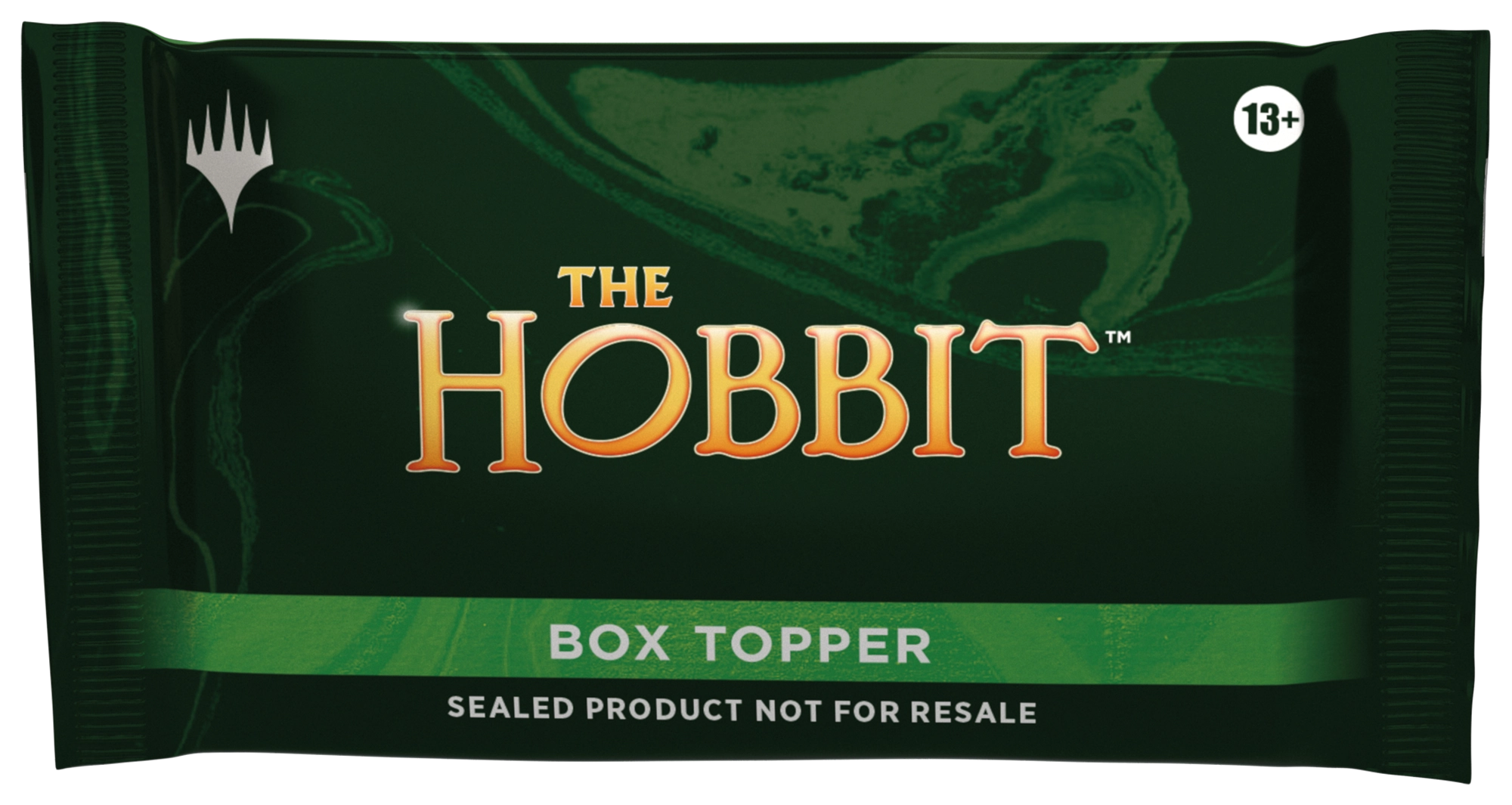
One traditional foil Middle-earth classic artist card, a borderless reprint originally from The Lord of the Rings: Tales of Middle-earth.
How does the Hobbit Collector Booster compare to the Lord of the Rings Collector Booster?
Community sentiment generally favors the original LOTR Collector box for card value and art, though the Hobbit box compensates with a smaller, higher play-rate chase list.
When did Magic: The Gathering The Hobbit release?
The set released globally on August 14, 2026, following prerelease events that began on August 7.
This page may contain affiliate links; Five Star Edition may earn a commission on qualifying purchases made through links on this site, at no additional cost to you.
Reviews
There are no reviews yet.